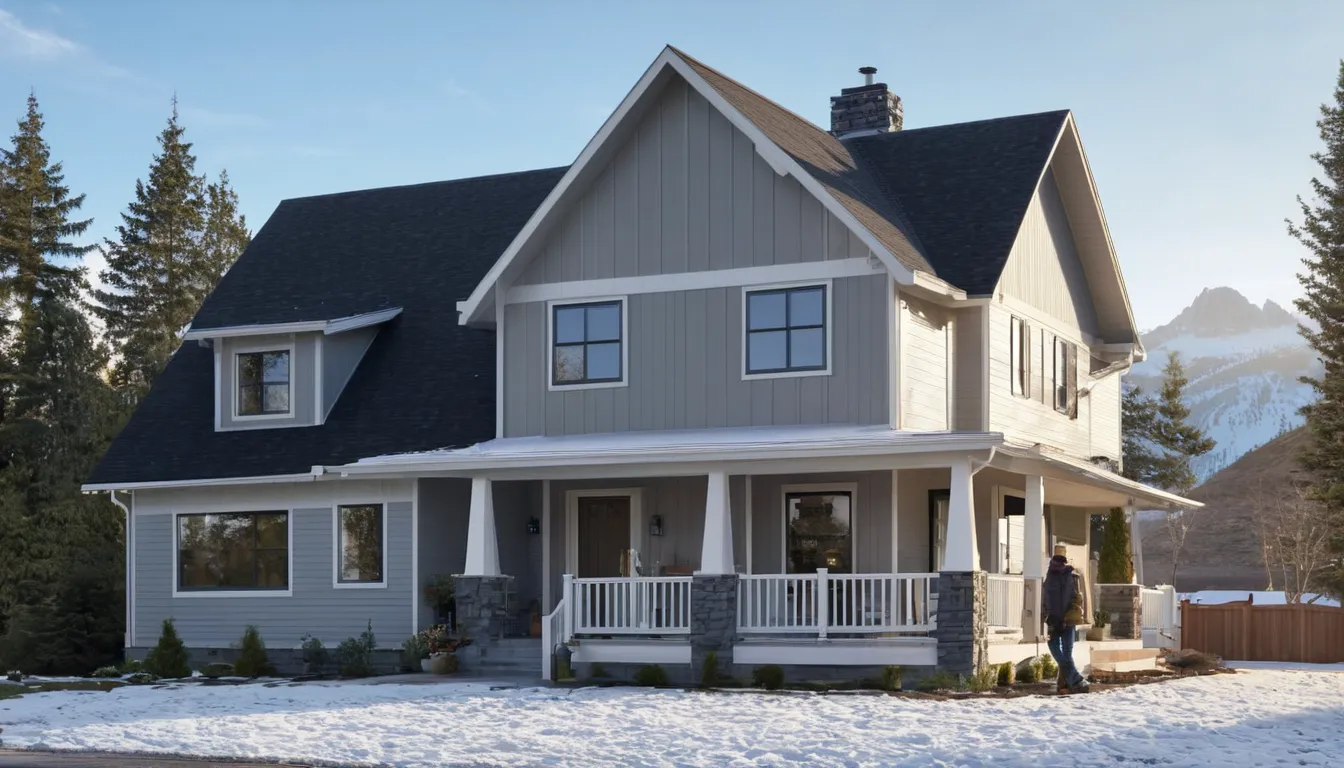
Residential Siding Installation in Denver
Request your siding estimate
Siding is the outer skin of your house. It sheds rain, melting snow and hail, and it shields the walls and framing underneath. When it wears out, water slowly finds a way in. Many first-time homeowners are not sure what to look for or what to ask.
Feltuniverse Windows & Siding is a referral service, not an installer. You tell us about your home and request an estimate. We then connect you with an independent provider in our network who serves the Denver area. The provider visits, measures, explains the options and gives you a written quote. You decide at your own pace, with no obligation.
Siding Trouble? Start Here
If you have never dealt with siding before, the first job is just understanding what you are looking at. Siding works like a raincoat for your house. When the coat wears through, water reaches the layers underneath. This page walks through the warning signs, the materials, the steps and the price drivers. Plain words first.
Signs the Siding Is Failing
Moisture clues
Soft spots, dark streaks or bubbling paint near the bottom of a wall can mean water is getting in. Inside, watch for stains on a wall or a musty smell in a basement. Think of a wet sock: the problem hides until it spreads.
Surface clues
Cracked, warped or loose boards are easy to spot. So are gaps at corners and panels that rattle in the wind. Faded color alone may be only cosmetic. Brittle or chalky panels, though, are reaching the end of their life.
Hail and sun clues
Hail leaves dents, chips and small round marks. Strong sun at altitude bakes surfaces and dries out paint and sealant. Wood can split as dry air pulls moisture out, and stucco may show hairline cracks.
Why Waiting Costs More
Water does its harm slowly and quietly, like a small leak under a sink that rots the cabinet before you notice. Wet sheathing and framing behind siding can grow mold and cost far more to deal with later. Fast spring melt and heavy snow loads push water into every gap.
You do not need to panic. A prompt look from a provider is simply wise. Some policies may cover sudden damage such as hail, so check your policy. Providers can often help document damage for a claim.
Choosing a Siding Material
Picking siding is a bit like picking shoes. Looks matter, but fit, weather and budget matter more.
Vinyl siding
Vinyl siding is a common choice because it is light, comes in many colors and needs little upkeep. Thicker panels and insulated backing hold up better against hail and cold.
Fiber cement
Fiber cement is dense and handles sun and fire risk well. It is heavier, so installation takes more labor, and it usually costs more.
Wood and engineered wood
Real wood has a warm look but needs regular sealing in dry, sunny air. Engineered wood gives a similar look with better resistance to splitting.
Metal and stucco
Metal panels shrug off hail dents better than you might expect when thick enough. Stucco is a different system, so ask a provider whether it suits your wall.
What Siding Installation Involves
It helps to picture the job as dressing a layered cake from the inside out.
Tear-off and inspection
The provider removes old siding and checks the sheathing underneath. Soft or damaged spots are noted before anything new goes up.
Wrap and flashing
A weather barrier goes over the wall. Flashing is added around windows, doors and rooflines so water runs outward instead of in.
Hanging the siding
Panels or boards are fastened in rows from the bottom up. Good providers leave room for the material to expand and shrink with temperature swings.
Trim and cleanup
Corners, trim and sealant finish the look. The provider then clears nails, scraps and old material from the yard.
How Long Does Siding Installation Take?
Most single-family homes take several days to a couple of weeks. Size, material, wall shape and weather all play a part. Think of painting a room: the prep takes longer than you expect. Wind, snow and rain can pause work, so ask the provider for a realistic window.
Planning Ahead
Spring and fall are popular, so booking early gives you more choices. Move cars, grills and planters away from the walls. Trim back branches that touch the house, and tell the provider about pets.
If windows are also on your list, mention it early. Energy efficient windows and new siding meet at the same trim, and doing both in a planned order can save rework.
Questions to Ask the Provider
Ask the provider these simple questions. Residential siding contractors in our network are used to them.
- What material do you suggest for my walls, and why?
- Will you inspect the sheathing, and how are hidden problems priced?
- What goes under the siding: wrap, flashing, insulation?
- Who handles disposal, permits and cleanup?
- What does the written quote include, and what is left out?
- How is the work warranted by the provider, and in writing?
Get it in writing. A clear quote is a smart way to compare two offers fairly.
Your Next Step
You do not have to decide anything today. Request an estimate, read what the provider writes, and take your time. No pressure, no obligation.
What's Included
Wall and Material Review
A provider looks at your walls, your climate and your budget to suggest fitting siding options.
Careful Measuring
Exact measurements help the written quote match the actual job.
Old Siding Removal
Worn siding comes off, and the wall underneath is checked for moisture or damage.
Weather Barrier Work
Wrap, flashing and trim details help water drain away from your walls and openings.
What Shapes the Price
Price depends on wall area, material, how many corners and windows the house has, and what is hiding under the old siding. These are typical U.S. ranges. Your local quote will differ, so get it in writing.
| Item | Typical range | Notes |
|---|---|---|
| Vinyl siding, whole home | $8,000 – $20,000 | Thicker and insulated panels cost more |
| Fiber cement, whole home | $12,000 – $30,000 | Heavier, so labor adds to the total |
| Engineered wood, whole home | $10,000 – $25,000 | Often needs paint or stain upkeep |
| Old siding tear-off and disposal | $1,000 – $4,000 | Depends on layers and wall size |
| Weather barrier and flashing | $1,000 – $3,500 | Extra detail around windows adds cost |
| Sheathing and framing repair | $500 – $3,000 | Only if hidden damage is found |
How It Works
Request an Estimate
Tell us a little about your home and what you have noticed on the walls.
Get Connected Locally
We refer you to an independent provider in our network who serves your area.
Review the Written Quote
The provider measures, explains the options and puts the scope and price in writing.
Choose and Schedule
If the quote feels right, you and the provider agree on timing and materials.
Why Call Feltuniverse Windows & Siding
Plain Words First
Each step is explained simply, so a first-time homeowner knows what to expect.
Independent Providers
Local providers in our network do the work and stand behind their own quotes.
Written Quotes
Get it in writing so you can compare price, material and scope clearly.
No Pressure
Request an estimate and decide at your pace, with no obligation.
Other Services
Need residential siding installation in Denver?
Have a question about windows or siding? Send a request and Feltuniverse Windows & Siding will refer you to a local provider in our network. There is no obligation to hire.
No obligationResidential Siding Installation FAQ
How do I know if my house needs new siding?
Look for cracked, warped or loose boards, soft spots, bubbling paint and stains inside walls. Hail dents and brittle panels count too. A local provider can inspect the walls and explain whether replacement makes sense.
How much does vinyl siding cost for a house?
In the U.S., whole-home vinyl siding often runs about $8,000 to $20,000. Size, panel thickness, wall shape and hidden damage change the total. Ask the provider for a written quote.
Does homeowners insurance pay for new siding?
Some policies may cover sudden damage, such as hail, but usually not normal wear and aging. Check your policy and ask your insurer. Providers can often help document damage for a claim.
Get in touch
Have a question about windows or siding? Send a request and Feltuniverse Windows & Siding will refer you to a local provider in our network. There is no obligation to hire.
No obligation